
A (Very) Brief History of Chile
- The territory of Chile has been populated by migrating Native Americans (by diverse indigenous groups including the nomadic Changos, the agricultural Diaguitas, and the resilient Mapuche in the southern territories), for the last 10,000 years, or since at least 3,000 BC, depending on which part of Wikipedia you believe.
- Diego de Almagro led the first Spanish expedition into the region in 1535, though it was Pedro de Valdivia who successfully established the Spanish colony and founded Santiago in 1541.
- The Spanish forces faced fierce resistance from the Mapuche people in the prolonged Arauco War, which established the Biobío River as a tenuous northern boundary for indigenous autonomy.
- Bernardo O'Higgins and Argentine general José de San Martín led the patriot forces to victory against royalists, culminating in the declaration of Chilean independence on 12 February 1818.

- Relative political stability followed, under conservative rule during the 1830s, governed by the authoritarian constitution of 1833 which shaped the early republic.
- Chile defeated Peru and Bolivia in the War of the Pacific between 1879 and 1883, expanding its territory northwards and gaining control of lucrative mineral-rich nitrate deposits.
- A brief but bloody civil war erupted, in 1891, between the president and congress, resulting in a shift toward a parliamentary system that diminished presidential power for decades.
- The country became heavily dependent on copper exports during the twentieth century, alongside urbanisation, social unrest, and deep political polarisation between left and right factions.
- Salvador Allende was elected as the world's first democratically chosen Marxist president, in 1970, embarking on a programme of radical socialist reforms and widespread nationalisations.
- General Augusto Pinochet overthrew Allende in a violent, US-backed military coup, on 11 September 1973, initiating a brutal seventeen-year dictatorship marked by severe human rights abuses and free-market economic policies.
- A peaceful transition to democracy began after Pinochet lost a national plebiscite in 1988, leading to successive centre-left coalition governments that prioritised economic growth and poverty reduction.
- Widespread protests erupted across the country in October 2019 over economic inequality and social reforms, triggering a multi-year political process to draft a new constitution to replace the 1980 military-era charter.

Is Chile a Safe Place to Travel?
Chile currently ranks as the 27th safest country on the planet. It is usually considered the safest country in South America, together with Uruguay.
Is Chile a Poor Country?
Chile has a poverty rate of 8.6%, which is relatively low and it ranks overall as a developing, but middle income country.
How Expensive is Chile?
Chile is one of the most expensive destinations in South America, with travel costs closer to Western Europe than to its neighbouring countries. Though daily expenses vary significantly depending on style and location, with budget accommodation, supermarket shopping, and local transport keeping costs relatively low for backpackers, whilst mid-range travellers can expect moderate expenses when balancing comfortable hotels with dining out. Luxury seekers however, will encounter premium rates which match top international standards, particularly for high-end all-inclusive wilderness lodges.
Regional price differences are stark, meaning that whilst cities like Santiago and Valparaíso offer relatively affordable street food and public transit, remote highlights such as San Pedro de Atacama and Chilean Patagonia command very high prices for lodging, dining, and organised excursions. Travellers can mitigate costs by booking domestic flights well in advance, utilising the extensive and comfortable long-distance bus network, and opting to pay for accommodation with a foreign credit card to take advantage of the 19 per cent VAT waiver for tourists.
Why is Chile Called Chile?
No-one really knows why Chile is called Chile. . ... One theory says Chile may derive its name from the indigenous Mapuche word chilli, which may mean 'where the land ends,' 'the deepest point of the Earth.' Another says it is based on the Mapuche imitation of a bird call, which sounds like '“'cheele cheele.'

Chile - Facts and Factoids
- Chile is one of the longest countries in the world, with a coastline around 6500 kilometres long. However, it is also one of the narrowest in the world with a width of just over 200 kilometres.
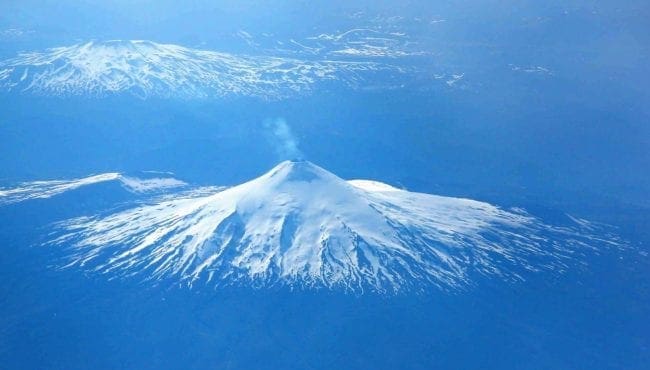
- At a count just over 1300, Chile is one of the countries with the most volcanoes and several of them are still active.
- The Atacama Desert is the driest place on earth. Average rainfall measures about 0.6 inches a year.
- Chile is one of the few countries on Earth that has an officially funded and recognised a UFO research bureau.
- Chileans are the second biggest consumers of bread in the world - just behind the Germans.
- The wine is good…(The Spanish brought at least one useful thing with them...)
- The Chileans like to refer to their country as 'The Land of Poets'. This is because two of the country’s most well-known and beloved literary figures were the Nobel prize winners, Gabriela Mistral and Pablo Neruda.


Chile - Essential Travel Info
| Category | Topic | Summary for Travellers |
|---|---|---|
| Border and Entry Control | Visa Regimes | Most tourists enter visa-free for up to ninety days, though some nationalities must pay a reciprocity fee online before arrival. |
| | Passport Regulations | Passports must be valid for the entire duration of the stay, and the entry card issued at immigration must be kept safe until departure. |
| Finance | Accepted Currencies | Local currency is used for almost all daily transactions, though upmarket hotels often quote prices and accept payment in major foreign currencies. |
| | Payment Ecosystem | Debit and credit cards are universally accepted in cities and towns, making it easy to travel without carrying large amounts of cash. |
| | Banking and ATMs | Cash machines are widespread across the country, though local banks charge a set transaction fee for withdrawals made with overseas cards. |
| | Tipping Culture | A ten per cent service charge is typically added to restaurant bills as a suggestion, and leaving a little extra in cash for good service 'is appreciated'. |
| Electrical and Technical | Plug and Socket Types | Sockets generally accommodate plugs with two or three round pins in a straight line, as are common across parts of southern Europe. |
| | Voltage and Frequency | The electrical system operates on a standard two hundred and twenty volts, meaning devices from regions with lower voltage will need a converter. |
| | Internet and Connectivity | Mobile network coverage is excellent in urban areas and along main highways, with local prepaid SIM cards providing affordable and reliable data. |
| Health | Water Potability | Tap water is chemically safe to drink in major cities, though it has high mineral which may cause stomach upsets. |
| | Emergency Contacts | Police: 133 Ambulance: 131 Fire: 132 |
| | Vaccinations | No specific immunisations are mandated for entry. |
| Communication | Language | Spanish is the official language, spoken with a distinct speed, accent, and plenty of unique local idioms and slang terms. |

Where to Visit in Chile?
Chile has some incredible scenery - as well as the wine:
- The Atacama Desert is awesome, with some amazing rock formations.
- Easter Island and the Moai statues are well worth the long flight.
- Santiago and Valparaiso have some great hotels.
- The volcanoes of the Lake District are stunning - if you can see them - they have Lake District weather.
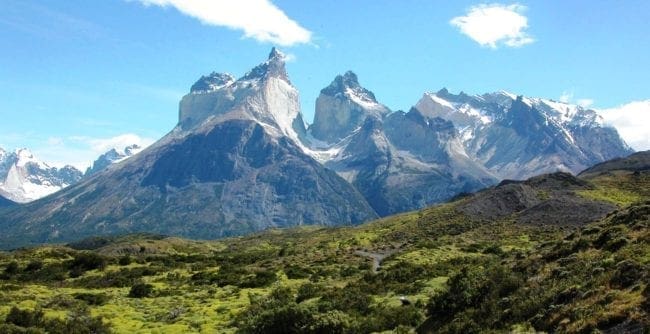
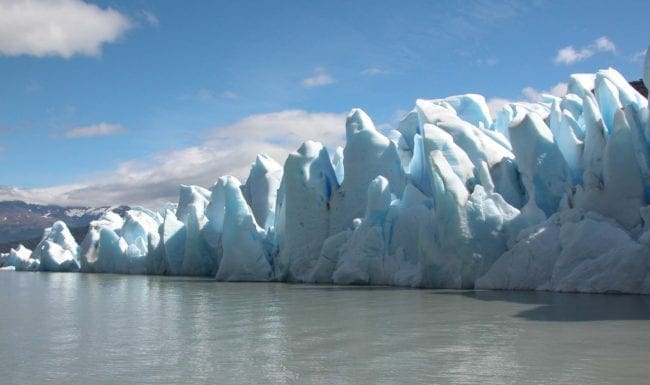
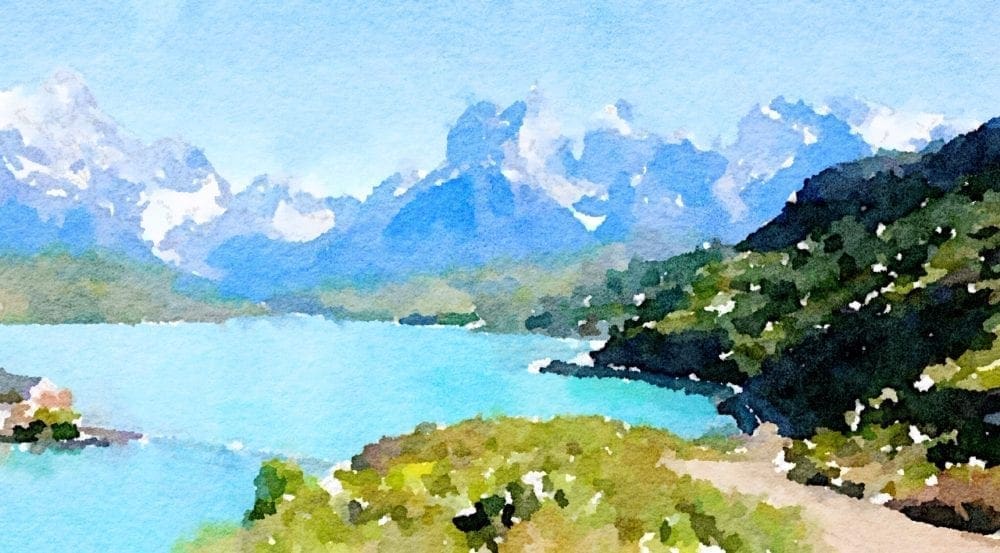
- But my favourite by a mile is Patagonia - breath-taking