Where Does the Name Angola Come From?
Angola gets its name from the ancient Kingdom of Ndongo, whose kings carried the title of 'Ngola.'
Is Angola a Poor Country?
A significant part of Angola is located outside its borders. Cabinda Province, with an area of 2,812 square miles, is an exclave, situated between the Democratic Republic of Congo and the Republic of Congo. This is where the oil is. Angola is the largest oil producer in Sub-Saharan Africa. Oil accounts for over 90% of Angola’s total exports and oil revenue accounts for 80% of the government’s revenue. The Angolan economy is one of the fastest growing in the world with an annual growth rate of 7%.
However, the immense wealth of the country is held by a small minority of the population, whilst over 40% of Angolans live below the poverty line. Vast sums of Angolan oil money have been stolen over decades, through systemic corruption, primarily involving the family and associates of former President José Eduardo dos Santos. Estimates of the total amount lost to corruption vary, with some figures reaching up to $100 billion.The current government is on an anticorruption drive, aiming to recover these funds and return them to the Angolan people.


Diamonds also make up a significant percentage of the country’s exports, but most of the revenue from diamond exports is lost through smuggling.
In the mid-twentieth century, Angola was a major agricultural producing country, but years of mismanagement and civil wars have made the country food deficient and reliant on imports from neighbouring countries. China is Angola’s most important trading partner, as China receives 45.8% of the country’s exports.
A Very Brief History of Angola
- The Portuguese were the first Europeans to set foot in Angola. The Portuguese explorer, Diogo Cao, arrived in 1484.
- Angola gained independence from Portuguese colonial rule in 1975, after years of armed conflict.
- Cuba (and Che Guevara) played an instrumental role in Angola’s struggle for independence, by supplying freedom fighters with weapons.
- The country's ensuing civil war lasted from 1975 until 2002.


Facts and Factoids
- Angola is known as the ‘Gem of Africa’, in reference to its abundant mineral resources, but also in homage to its incredible biodiversity (though many animals fled or did not survive the conflicts).
- Angola is also sometimes referred to as The Land of the Giant Sable. The Giant Sable antelope was thought to be extinct, but was rediscovered here.
- The official language in Angola is Portuguese - a colonial legacy.
- After several years of war, the country has a shortage of men, and it is not unusual for a man to have several wives. Almost 70% of the population is under 24 years of age.
- Angola has what is known as a unicameral government - the National Assembly, in Luanda, is the only legislative chamber at the national level.


Is Angola Safe to Visit?
The FCDO report a high rate of robbery and violent crime, especially at night. Cabinda province and the border between Angola’s Lunda Norte province and the Democratic Republic of Congo, (except at official border crossings) are considered to be high risk areas. But I travelled quite happily and met nothing but kindness.


What To See and Do in Angola?
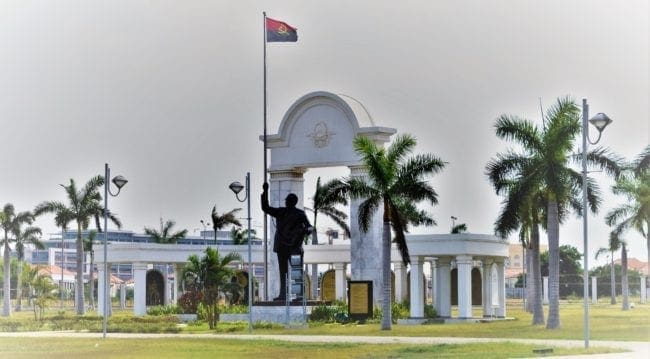
- I'm visiting the capital, oil boom city Luanda
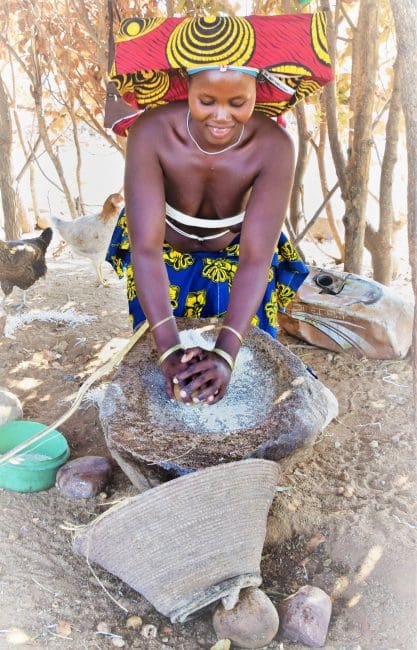
- I'm flying south to visit different tribal peoples around Lubango
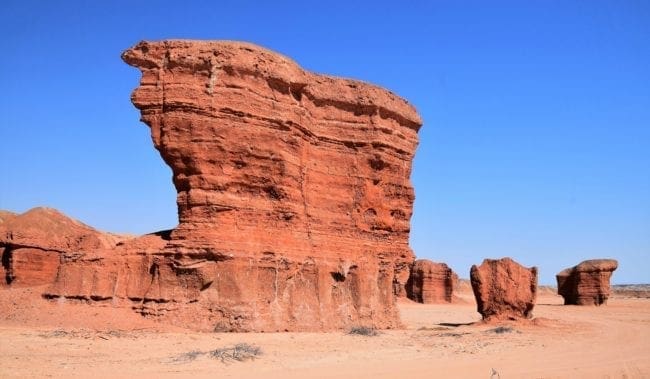
- And to Namibe Province, the coast and the amazing and unexpected desert scenery